

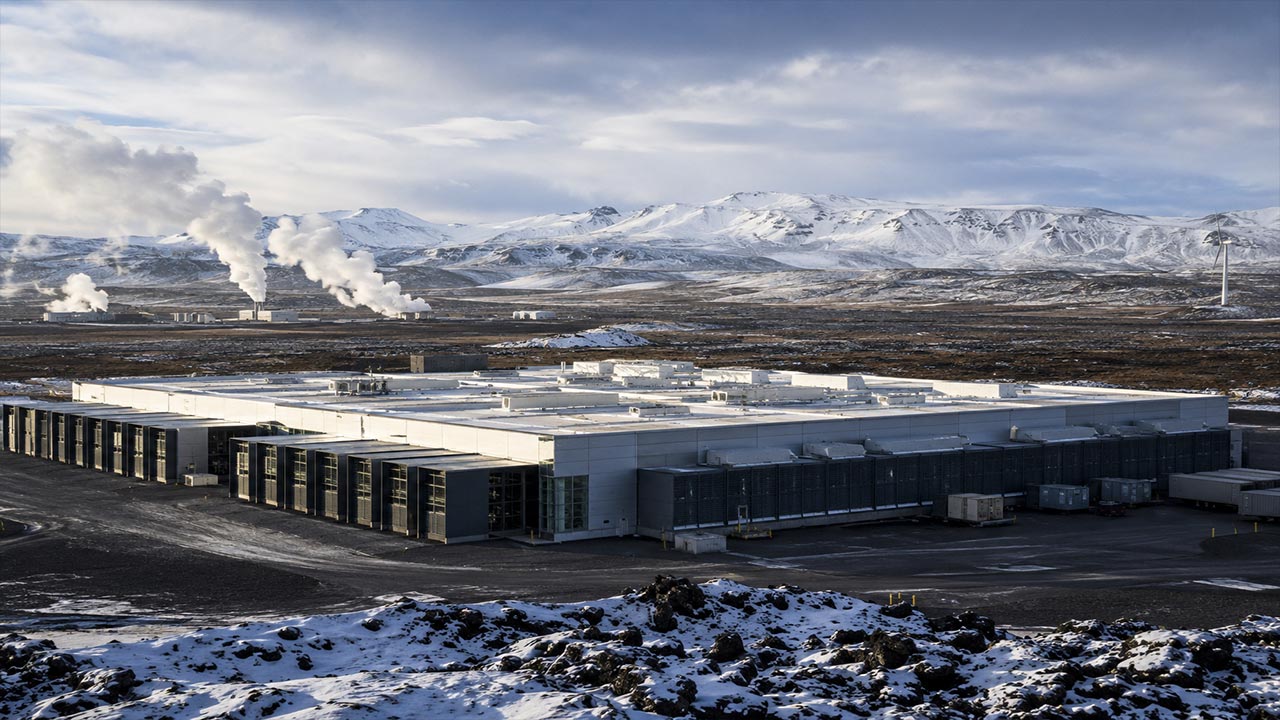
Artificial Intelligence is advancing at a rapid pace, and the global demand for AI data centers is growing just as quickly. Whether it involves AI models like ChatGPT, Gemini, and Claude, or tools for generating AI images and videos, thousands of high-performance GPUs are constantly working behind the scenes. Consequently, major tech companies are seeking locations—such as Iceland—where power is reliable and affordable, cooling costs are low, and AI infrastructure can be seamlessly scaled up over the long term without interruption.
This is where the conversation turns to Iceland as a data center hub. Iceland is renowned globally not only for its natural beauty but also for its green data centers and renewable energy. Most of the country’s electricity is derived from geothermal and hydroelectric sources, offering AI companies massive computing capacity with a low carbon footprint. This is why numerous global cloud and AI infrastructure companies view Iceland as a crucial future hub for data centers and are rushing to invest there.
Current trends indicate that AI companies are not merely seeking more powerful GPUs; they desire infrastructure that strikes a balance between cost, performance, and environmental impact. The primary reason AI companies are choosing Iceland is the unique combination of natural cooling, clean energy, and a stable power supply. As AI models grow larger and more resource-intensive, Iceland is emerging as a robust solution for the world’s next-generation AI computing needs.
AI’s Growing Appetite and the New Challenge for Data Centers
Every time you ask ChatGPT a question, create an AI image, or generate a video, thousands of GPUs across data centers worldwide spring into action. This surge in activity has driven the demand for electricity and cooling among AI companies to unprecedented levels.
 Read this nextThe Coldest Place in Tech: Why the Future of Artificial Intelligence May Depend on Iceland
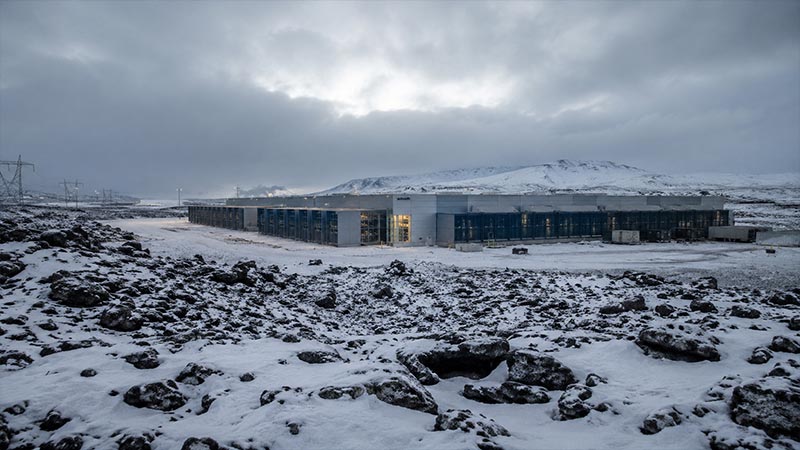
The question now arises: where should such massive AI data centers be built? There is a need for locations that offer affordable electricity, low cooling costs, and minimal environmental impact. This is why Iceland is rapidly becoming a preferred choice for AI companies.
What makes Iceland so special?
Iceland’s greatest strength is its 100% renewable electricity, derived primarily from geothermal and hydropower sources. This means data centers here have access to clean energy, resulting in significantly lower carbon emissions.
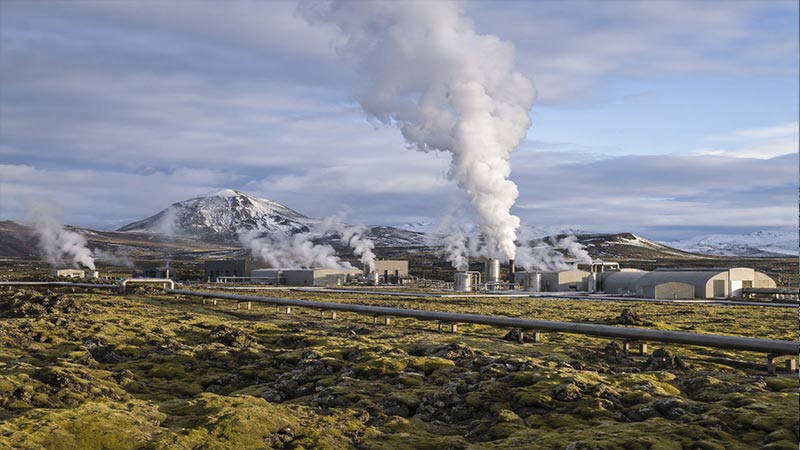
Another major factor is the country’s cold climate. In most countries, data centers require expensive cooling systems, which drives up costs. In contrast, Iceland’s natural temperature significantly reduces this expense.
How do AI companies benefit from this?
Training AI models is an incredibly expensive undertaking. Thousands of GPUs run continuously for days or even weeks. If cooling and electricity costs are reduced, companies can save millions of dollars.
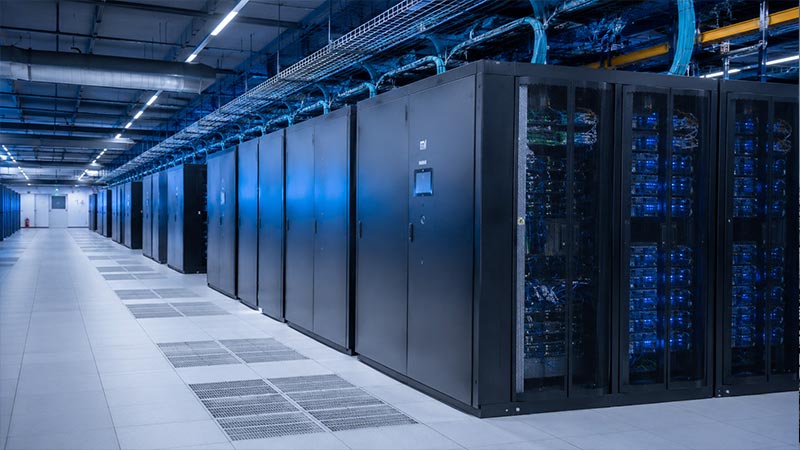
This is why Iceland is emerging not just as a “green” country, but also as a cost-efficient hub for AI infrastructure. Lower energy costs mean companies can develop new AI models more rapidly.
A Step Towards Green AI
Today, major AI companies aim to do more than just develop AI rapidly; they also want to create Sustainable AI. Investors and governments are continuously pressuring companies to reduce carbon emissions.
In Iceland, the use of renewable energy helps AI companies meet their sustainability goals, which also enhances their brand image.
But There’s a Catch…
Iceland isn’t the solution to every problem.
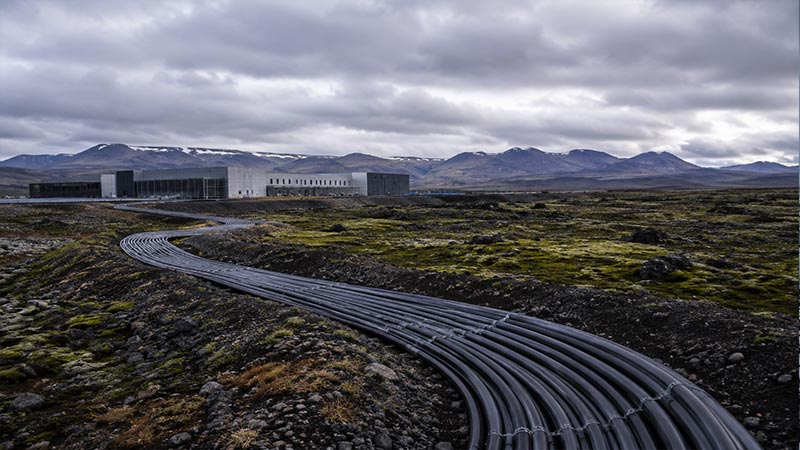
As a small country, it has limitations regarding land and infrastructure, making large-scale expansion challenging. There is also a reliance on undersea fiber-optic cables; any connectivity issues could impact data centers.
Furthermore, not all AI workloads can be shifted to Iceland. Many companies need to keep their data centers close to users to ensure low response times and deliver a high-quality user experience.
Could Iceland Become an AI Hub in the Future?
The prospects are strong. Renewable energy, natural cooling, and a stable environment make Iceland an attractive location for AI infrastructure. However, Iceland alone cannot meet the entire world’s AI computing needs.
The likely future scenario involves AI companies adopting a hybrid strategy—locating some data centers in “green” regions like Iceland while keeping others near major cities to ensure low-latency services.
Read this: Website Developer in Iceland to Build a Global Retail Empire
Final Verdict
When it comes to affordable electricity, natural cooling, and green AI infrastructure, Iceland stands out as one of the world’s best options. This is why AI companies are seriously investing in this small nation.
However, if a company’s goal is to deliver AI services to every user with minimal latency, relying solely on Iceland would not be the right strategy.
Read this: Here are Top VPS Hosting Iceland Options for Growing Businesses